


Should you charge customers to join your loyalty program? A paid loyalty program can create recurring revenue and attract your most committed customers, but it can backfire when the value isn’t obvious. This guide explains how paid membership works, when charging makes sense, and when a free program is the smarter choice.
What Is a Paid Loyalty Program?
A paid loyalty program asks customers to pay a membership fee, whether monthly, annually or once, in exchange for benefits they can use right away, such as free shipping, exclusive access or better pricing. Unlike points that build up over time, the value starts on day one. You may also hear it called a fee-based or subscription loyalty program . Mastercard describes four common forms:
- Paid extension: a premium tier layered on top of a free program.
- Standalone subscription: a paid program that runs separately from any free one.
- Fee-required: anyone can shop, but perks require a fee.
- Members-only: only paying members can buy, as with warehouse clubs.
If you’re comparing structures, our guide to the 7 types of loyalty programs shows where paid membership fits.
Do Paid Loyalty Programs Work Better Than Free Ones?
Often, for the right customers. A widely cited 2020 McKinsey survey found that members of paid programs were 60% more likely to spend more with a brand after joining, versus 30% for free programs. A fee also filters for committed buyers: Costco’s membership fees make up a large share of its profit. Euromonitor reports that 25% of the top 100 global brands had adopted subscription-based loyalty models by 2026.
The same research adds a warning. Paid models can miss expectations when they don’t deliver enough value, as Euromonitor notes with Zalando in apparel and footwear.
When Should You Charge for a Loyalty Program?
Charging works best when customers already value your brand before they pay. Look for these signs:
- Customers already love you. A fee amplifies existing preference; it can’t create it.
- Customers buy often. Paid programs perform best in daily or weekly categories such as coffee, groceries and pharmacy.
- You have a healthy free program. CVS built its paid tier on its free ExtraCare program, and Target launched Circle 360 on a free program that drives over 75% of its transactions.
- You can afford the benefits. Perks shouldn’t collapse your margin.
- Members can do the math. The value should be obvious at a glance.
- Your offer is distinctive. Benefits competitors can’t easily copy.
When Not to Charge
A fee adds friction, and sometimes it’s a deal-breaker. Technomic research cited by Simplot Foods found that two out of three consumers won’t join a restaurant loyalty program that charges a fee. Sweetgreen discontinued its paid Sweetpass+ in April 2025 in favor of a simpler free points program. In one consumer survey, unwanted fees such as annual membership charges led 41% of consumers to cancel.
Hold off on a fee if:
- Customers buy rarely and would never recoup the cost.
- Competitors offer comparable free programs.
- You don’t yet know who your best customers are.
In those cases, build a strong free program first, then add a paid tier once your most committed customers are visible.
Should Your Subscription Loyalty Program Charge a Membership Fee?
Most subscription programs reward people who already pay for a plan. For many brands, a different question comes first: should the loyalty program itself carry a fee? Paid membership can create recurring revenue and attract your most committed customers, and Euromonitor reports that 25% of the top 100 global brands had adopted subscription-based loyalty models by 2026. It can also backfire when the value isn’t obvious. Our guide to paid loyalty programs explains when to charge, when not to, and how to price a membership customers renew.
How to Price and Design a Paid Membership
Price follows value. List the benefits a typical member would actually use, then set a fee they can recoup within a reasonable time. Run break-even math from both sides: how many members you need to cover the benefits you give away, and how much a member must use to feel they’re winning. To reduce risk, consider a “charge and waive” approach, where the fee is waived under conditions you set.
Then build benefits that justify the fee using the three LoyaltyLevers:
- Behavior Drivers change what members do, through bonus earning, early access or frequency thresholds.
- Sentiment Builders make membership feel special through status, recognition and surprise and delight.
- Engagement Activators weave benefits into the brand experience through personalization, timely communication and community, so members keep using what they paid for.
Before launch, don’t just ask whether people would pay. Present a concrete offer, and soft-launch to an invitation-only group of founding members. After launch, track renewal rate and revenue per member alongside your loyalty KPIs.
Conclusion:
A paid loyalty program isn’t right for every brand, but for the right customers it can raise retention and create steady revenue. Start by testing the value, then price and design around it. If you’re weighing a fee-based or subscription model, contact LoyaltyLevers for a complimentary consultation.
Frequently Asked Questions
Are paid loyalty programs worth it?
They can be, when customers buy often, already like your brand, and can clearly recoup the fee. They struggle in low-frequency categories or where free competitors offer similar perks.
How much should a paid loyalty program cost?
There is no universal price. Set the fee below the value a typical member actually uses, so the savings are obvious, while keeping your margin intact. Test the offer with a small founding-member group before you scale.
What is the difference between paid and free loyalty programs?
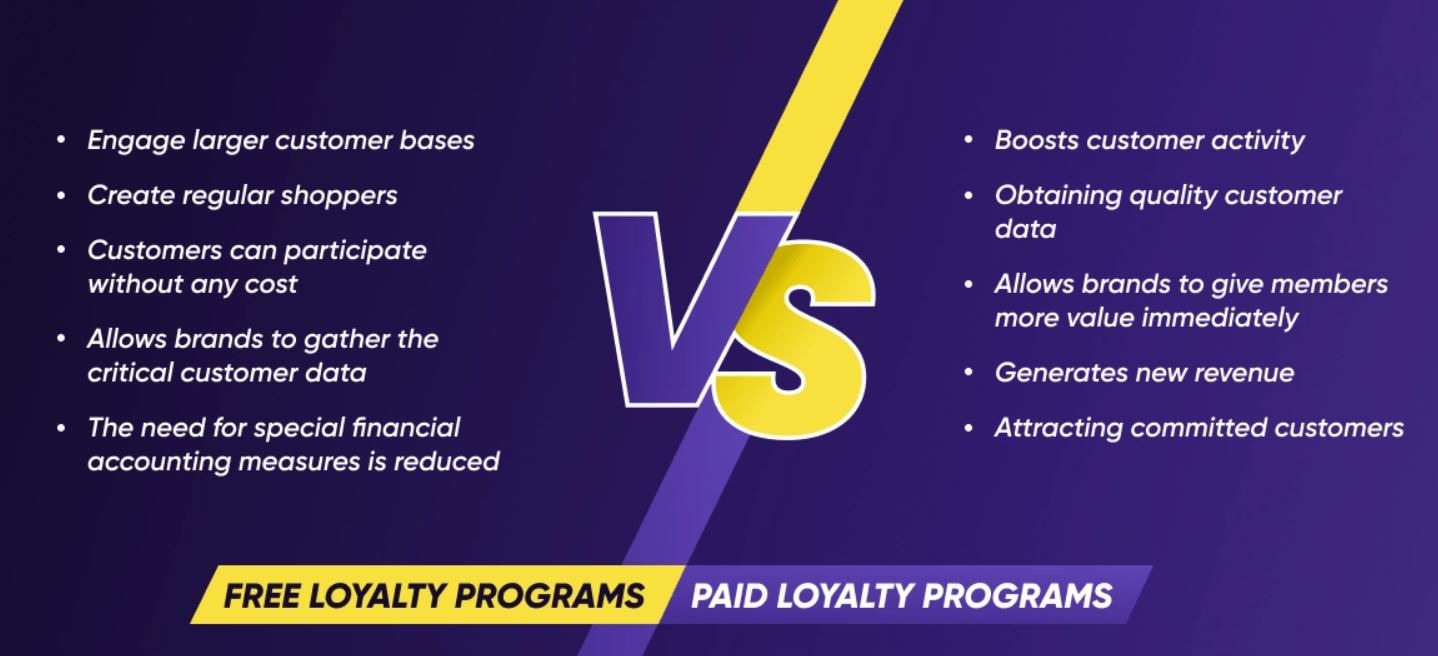
Free programs reward spending over time and maximize reach. Paid programs give benefits upfront in exchange for a fee, creating recurring revenue and a smaller, more committed membership.
Can you offer both a free and a paid loyalty program?
Yes, and it’s often the best approach. CVS and Target both layer paid tiers on top of free programs, so everyone can join and committed customers can upgrade.
What are examples of paid loyalty programs?
Amazon Prime and Costco are the best known. REI, CVS and Target Circle 360 also charge for membership, and Sweetgreen tried the model before dropping it.
Should a subscription loyalty program be free or paid?
It depends on how often customers buy and how clearly they can recoup a fee. Many brands do best with a free base program plus an optional paid tier. See our guide to paid loyalty programs for a readiness checklist and pricing tips.
Comments