


|
what you need to know about a customer loyalty program • A customer loyalty program is a structured system where a business rewards people for repeat purchases and engagement, usually with points, perks or status. • It runs on a value exchange: the member gets rewards, and the brand gets repeat purchases plus first-party data. • The cycle is join, earn, redeem, get recognized, then learn from the data. • Programs work when they change behavior. They leak margin when they only discount what customers would have bought anyway. • Starbucks Rewards (points and tiers) and Amazon Prime (paid) show two common models. |
A customer loyalty program is a structured way for a business to reward the people who keep buying from it. The reward might be points, a discount, early access or free shipping, and the aim is simple: give customers a reason to come back.
At LoyaltyLevers we advise brands on loyalty strategy and program design, so we see both sides of this. Some programs quietly grow revenue. Others hand margin away for nothing. We'd say up front that a program only earns its keep when it changes what customers do.
This page covers the basics: the loyalty program definition, how the mechanics run, and the tradeoffs. For design depth, our customer loyalty programs guide picks up where this leaves off.
What is a loyalty program?
A loyalty program is a structured system in which a business rewards customers for buying again or engaging over time. Picture the coffee shop punch card: buy nine drinks, get the tenth free. A modern program is that card with a database behind it.
If you searched for the loyalty program's meaning, that's the short answer. The fuller loyalty program definition has three parts: a way to join, a currency or status that members earn, and a reward they can redeem.
The idea is older than smartphones. Texas International Airlines ran an early mileage program in 1979, and American Airlines launched AAdvantage on May 1, 1981, according to Wikipedia's AAdvantage entry. By 2021, American said the program had 115 million members.
People mix up three related terms, so here's how we separate them:
|
Term |
What it means |
Simple example |
|
Brand loyalty |
A customer's lasting preference for a brand, built on trust and experience |
Someone who always buys the same running shoe |
|
Loyalty marketing |
The wider discipline of keeping and growing existing customers |
Win-back emails, surprise gifts, VIP events |
|
Loyalty program |
The structured system of rewards and rules a business runs |
Starbucks Rewards, with Stars, levels and redemption |
A program can encourage brand loyalty. It can't create it on its own. Think of a gym that hands out a free water bottle: you may keep the bottle and still quit because the showers are cold.
How do loyalty programs work, step by step?
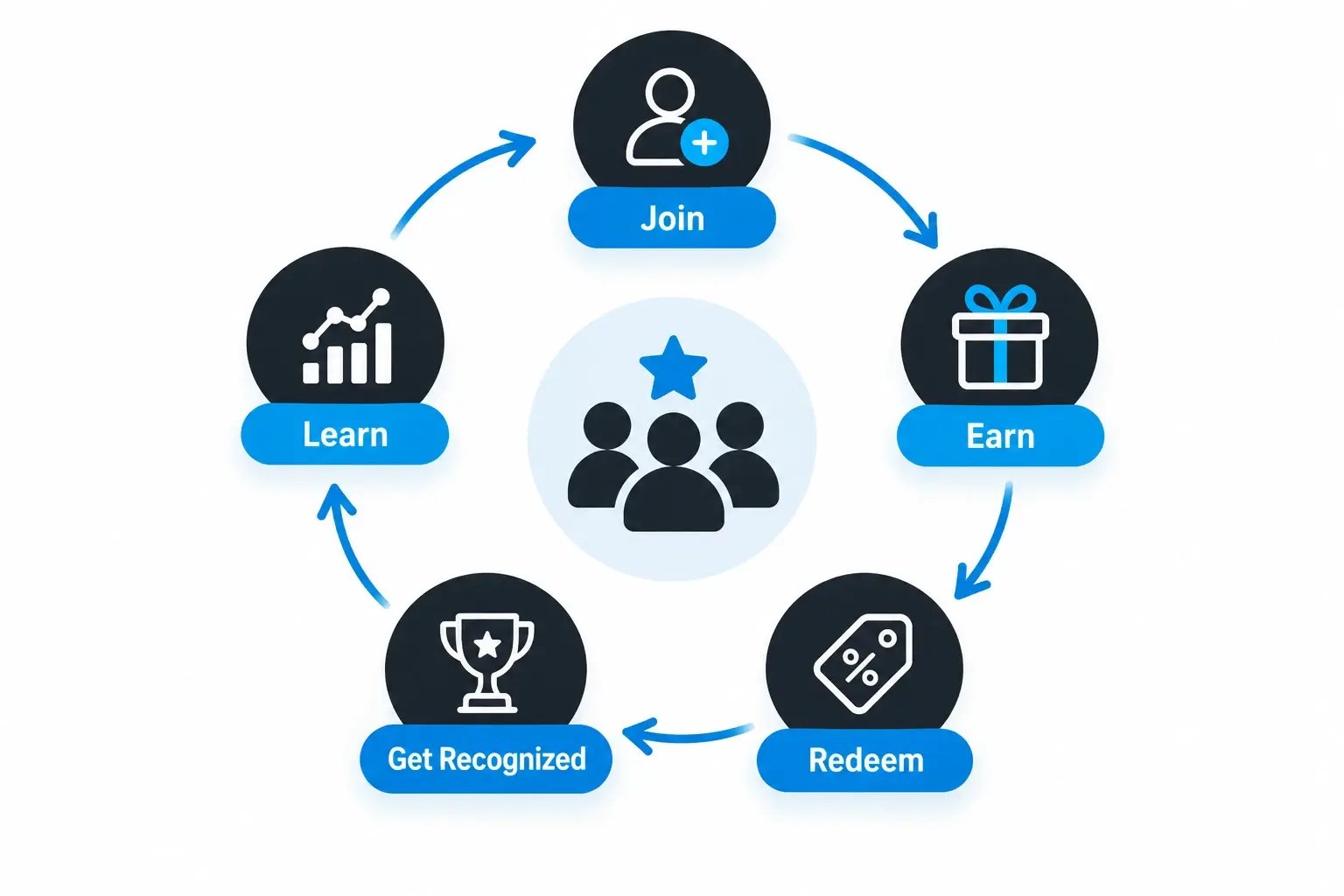
Loyalty programs work as a loop: a customer joins, earns, redeems, and gets a reason to return. Each lap gives the brand more data to make the next lap better.
1. Join. A customer signs up and becomes a loyalty member, usually with an email, phone number or app account. From here on, the brand can tie purchases to a person instead of an anonymous receipt.
2. Earn. Members collect rewards points, miles, stamps or tier credit for purchases and other actions, like reviews or referrals. Points work like arcade tokens: they only spend at that one arcade, which is exactly why they pull people back.
3. Redeem. Redemption is the moment a member cashes points in for a reward, such as a free drink or a discount. It proves the promise is real, so it should be easy.
4. Get recognized. Member benefits like tiers, early access and birthday rewards signal status, not just savings. Recognition often matters as much as the reward itself.
5. Learn and personalize. Every transaction adds first-party data, meaning information customers share directly with the brand. The brand uses it to tailor offers and measure what's working.
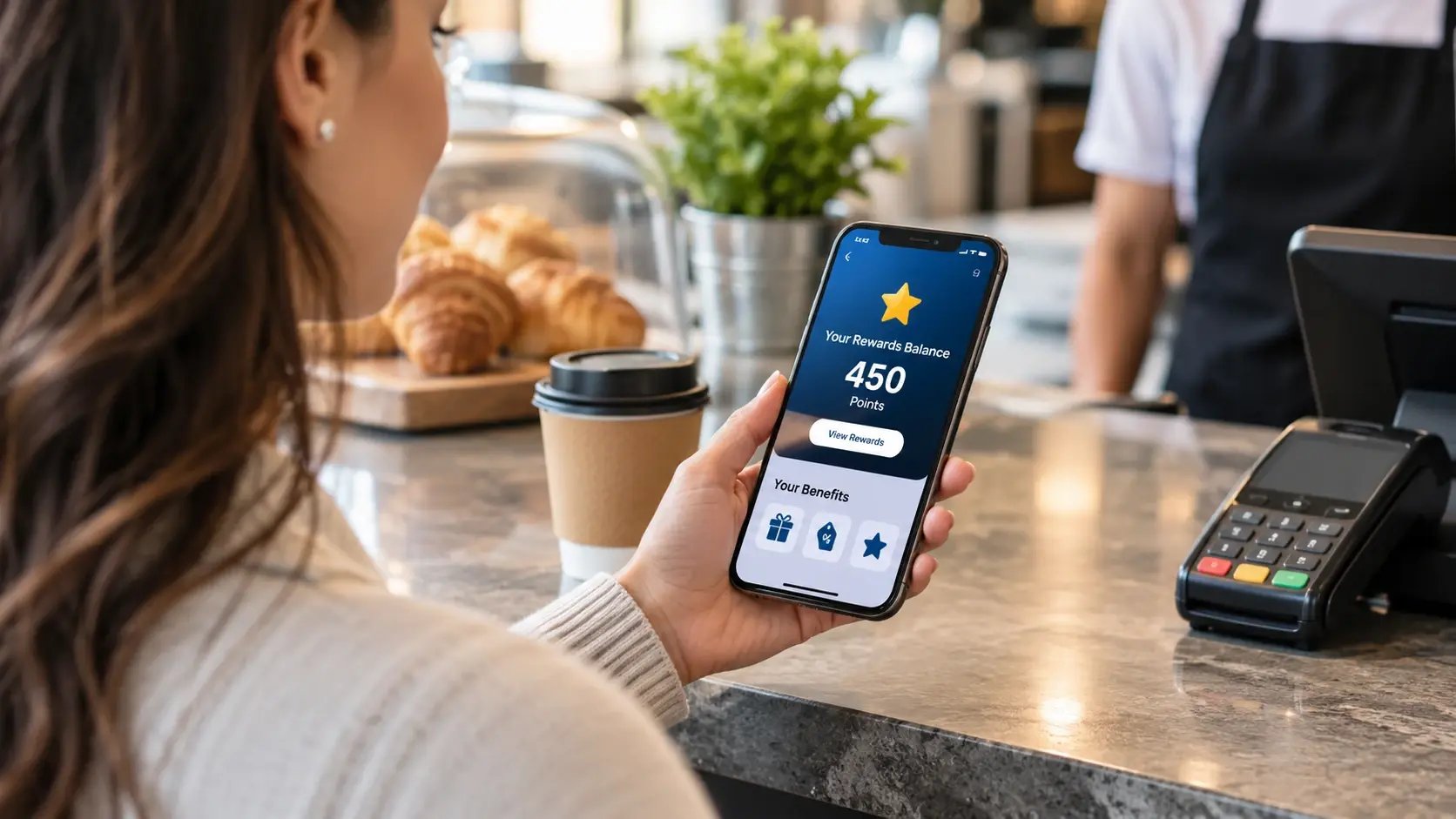
Starbucks Rewards shows the loop at scale. The US program ended fiscal 2026 with about 36 million 90-day active members, according to Starbucks' year-end results graphic. Members drove nearly 60% of US company-operated revenue in fiscal 2025, more than $13 billion, the company says.
The redemption side got a rework in March 2026. The relaunch added Green, Gold and Reserve levels, and a new 60-point reward worth $2 off any item became the most-used benefit, about a third of redemptions, Customer Experience Dive reported.
What is the value exchange behind a loyalty rewards program?
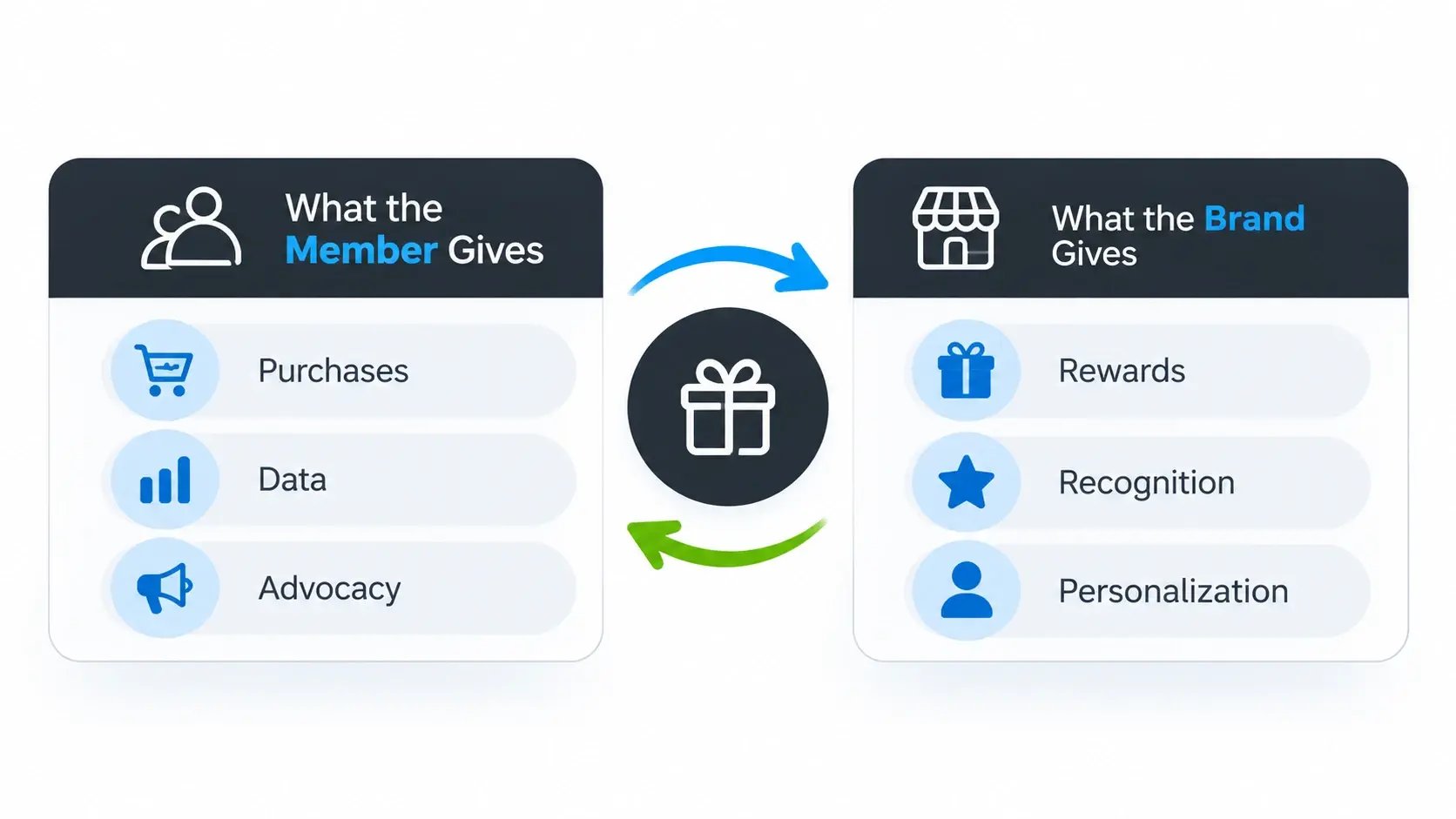
The value exchange is the deal at the heart of every loyalty rewards program: the member gives repeat business and personal data, and the brand gives rewards and recognition. When either side feels shortchanged, the program stalls.
Think of a market stall where the owner tosses an extra lemon to regulars. You keep coming back, but only because the extra is worth the walk.
A customer rewards program and a loyalty program are close to the same thing in everyday use. Some teams reserve "rewards program" for earn-and-burn points and "loyalty program" for the wider relationship. We use them interchangeably, and so do most customers.
On the brand side, the payoff is customer retention, more repeat purchases and a higher customer lifetime value (CLV, the total profit one customer brings over the whole relationship). Loyalty marketing is the wider craft of earning those outcomes, and the program is its most visible tool. Our loyalty program benefits overview shows how we frame them.
Why do loyalty programs work?
Why loyalty programs work comes down to money and behavior. Keeping a customer is usually cheaper than finding one, and a good program nudges people toward the next purchase.
Harvard Business Review's 2014 piece on churn put new-customer acquisition at five to 25 times the cost of retention, while hedging that it depends on the study and the industry. Treat it as a rule of thumb, not a law.
Reported returns are strong. In Antavo's 2025 report, 83% of program owners reported a positive ROI, with an average of 5.2x, per Antavo's release. The 2026 edition puts the average at 5.3x, according to a July 2026 write-up. Antavo sells loyalty software and the figures are self-reported, so read them as a direction.
Here's the catch, and we'll be straight about it: a program that only discounts what customers would have bought anyway is a margin leak. Starbucks' CEO said on the April 2026 earnings call that the program shouldn't behave like a coupon book, per Customer Experience Dive. The aim is engagement, personalization and recognition.
What are the loyalty program benefits for customers?
The main loyalty program benefits for customers are savings, free products, personal offers and recognition. In a February 2026 Antavo survey of more than 1,000 US consumers, the most-valued perks were:
• Money-saving perks: 70.8% value coupons, vouchers or cashback.
• Free products or services: 46.3% value things like free shipping or samples.
• Personalized offers: 41.6% want offers and rewards that fit them.
Paid programs trade a fee for bundled perks. Amazon Prime is the best-known case: a standard membership costs $139 a year in 2026, per NerdWallet, and bundles fast shipping with video and music streaming.
What are the main types of customer loyalty programs?
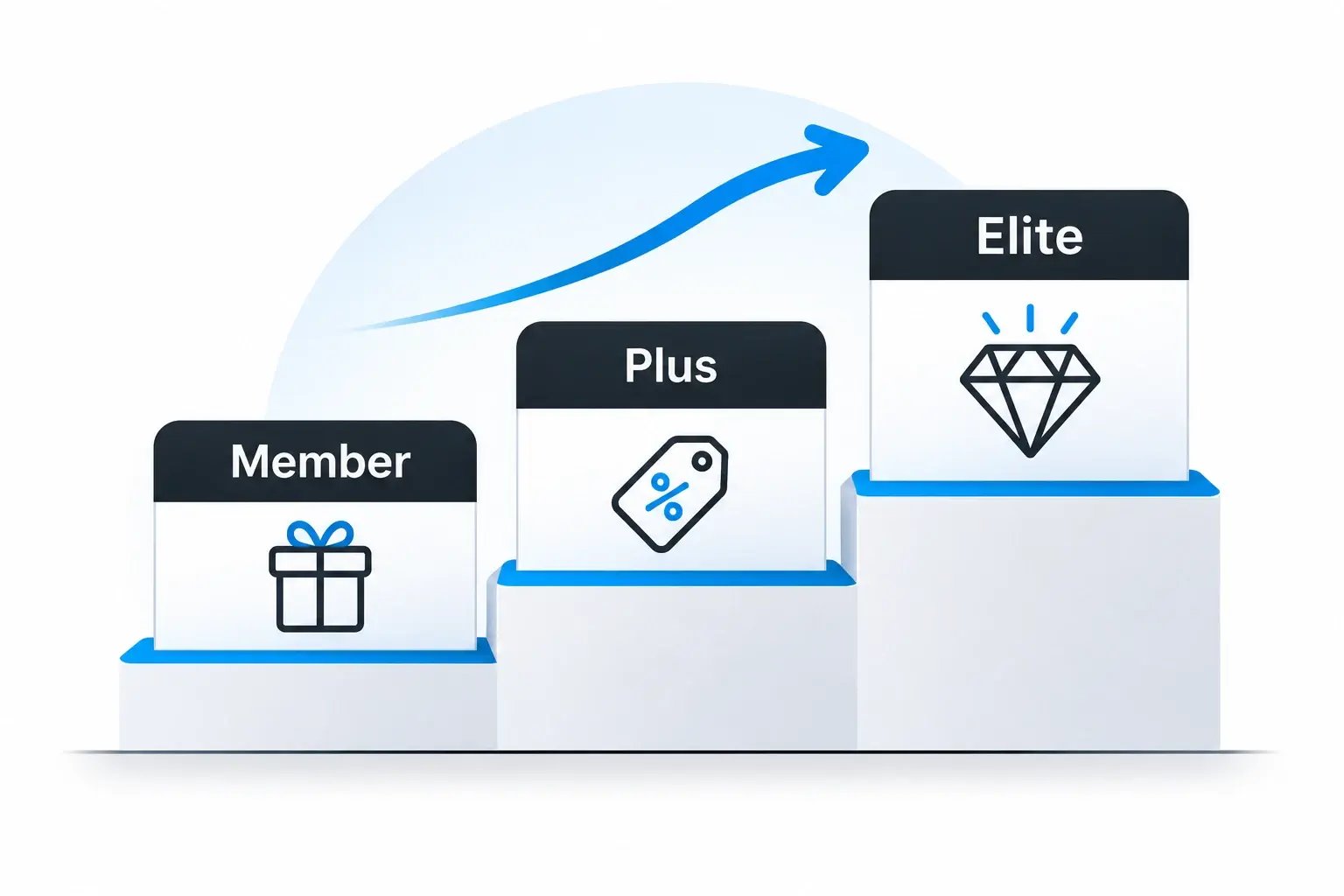
Most customer loyalty programs fall into four families: points, tiers, paid memberships and partner programs.
|
Type |
How it works |
Example |
|
Points-based |
Members earn points per purchase or action and redeem them for rewards |
Starbucks Stars |
|
Tiered |
Higher spend or activity unlocks richer benefits and status |
Starbucks Green, Gold and Reserve levels |
|
Paid |
Members pay a fee for bundled perks |
Amazon Prime |
|
Partner |
Two or more brands let members earn across programs |
Starbucks and Delta |
Each type has tradeoffs. Our breakdown of the 7 types of loyalty programs goes deeper, and we've written on whether tiered loyalty programs work and how to approach paid loyalty programs.
The Starbucks and Delta link-up is a good case of a loyalty program partnership that pairs a frequent, low-ticket brand with an infrequent, high-ticket one.
What can go wrong with a customer loyalty program?
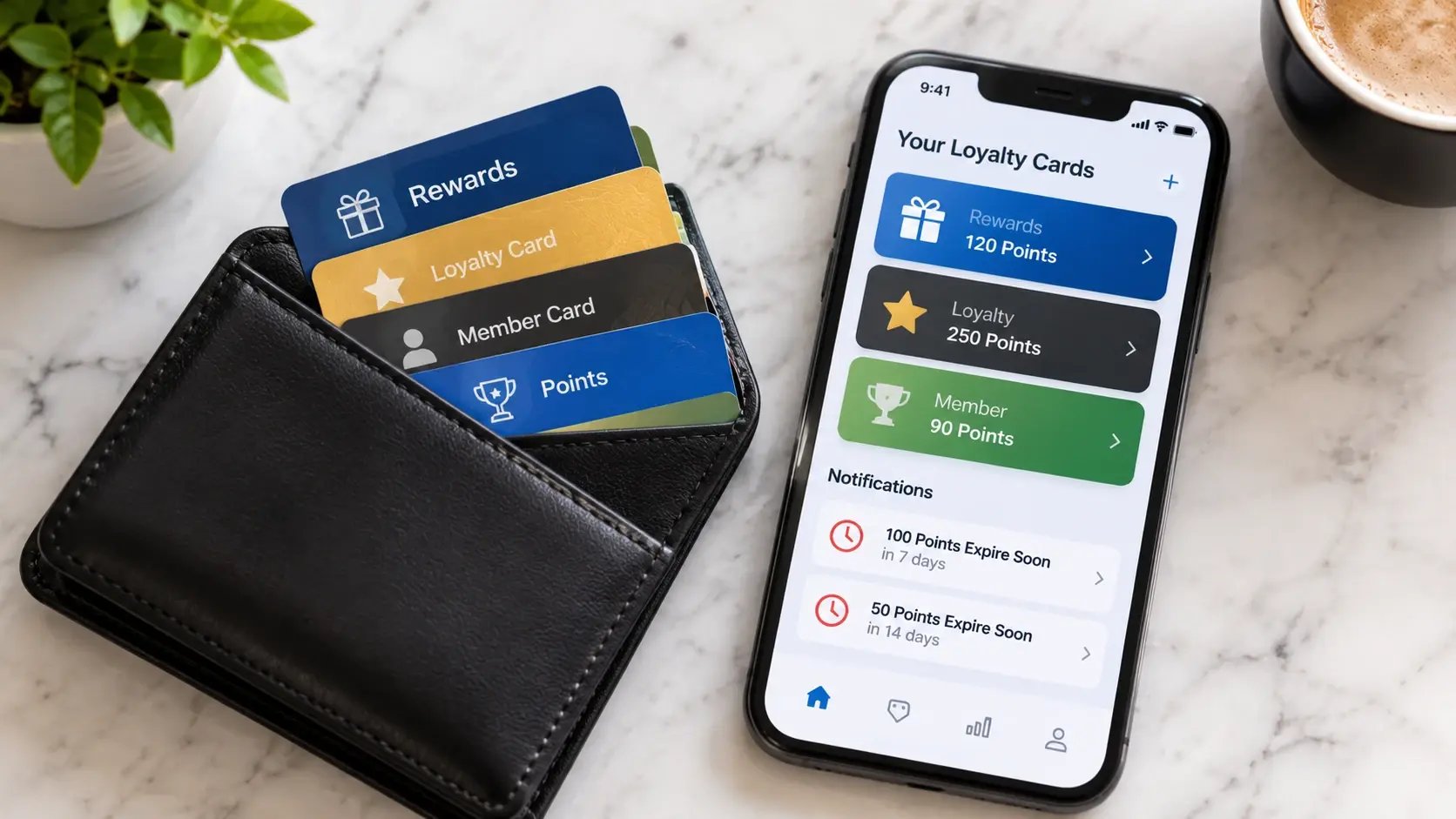
Most failures come from the value exchange tipping against the member. The usual culprits:
• Unspent points. In the same Antavo US survey, 26.2% of points go unspent and 11.9% expire unused. A balance nobody touches isn't loyalty.
• Slow earnings. 49.1% of consumers say earning rewards takes too long, and 38.9% find the rewards unattractive.
• Discount dependence. Training members to wait for a deal erodes margin and does little for brand loyalty.
• Wrong tool for the job. One practitioner's view on CustomerThink is that a program isn't mandatory for loyalty, and should exist only if it benefits the customer, strengthens the relationship and teaches you something.
Good design avoids these traps. Our guide to the design characteristics of an effective loyalty program covers what to look for.
Does your business need a customer loyalty program?
Probably, if customers can buy from you more than once and you can recognize them when they do. A program tends to fit when:
• Customers have a natural reason to return within weeks or months.
• You can identify members at the point of sale, online or in store.
• You can fund a reward that feels worth earning without wrecking the margin.
If those hold, start with one simple earn-and-redeem loop. Track repeat purchase rate and customer lifetime value (our loyalty KPI page covers the measures), then add tiers or paid layers later. If you want a second opinion, our customer loyalty program design service is where we'd start together.
Frequently asked questions
What is a loyalty program in simple terms?
A loyalty program is a system where a business rewards you for coming back. You join, earn points or status when you buy, and redeem them for rewards like discounts or free items. The business gets repeat customers and useful data about what you like. Think of it as a digital version of the coffee shop punch card.
How do loyalty programs work for customers and businesses?
Members join, earn points or status through purchases and other actions, then redeem them for rewards. Each step produces first-party data the business uses to personalize offers and measure results. Customers get savings, perks and recognition, while businesses get repeat purchases, higher customer lifetime value and better insight. The exchange only holds if rewards feel reachable.
What is the difference between a loyalty program and a rewards program?
In everyday use, very little. Both reward customers for repeat business. Some teams use "rewards program" for simple earn-and-redeem points and "loyalty program" for the wider system, which can include tiers, paid memberships and perks that aren't tied to spend. Customers rarely notice the split, so pick the name that fits your brand and stay consistent.
Are loyalty programs worth it for small businesses?
Often, if customers naturally return and you can recognize them. A simple punch card or points system can lift repeat visits without much cost. Skip complexity at first: one clear reward beats a five-tier scheme nobody understands. Our loyalty programs for small businesses page explains the options, and tracking repeat purchase rate will show whether it's working.
What is a good example of a loyalty program?
Starbucks Rewards is a widely cited points-and-tiers example, with about 36 million 90-day active US members at the end of fiscal 2026. Amazon Prime shows the paid model, trading an annual fee for bundled shipping and streaming. Airline programs like American's AAdvantage, launched in 1981, are the classic origin story.
The bottom line
A customer loyalty program is a simple trade: rewards and recognition in exchange for repeat business and data. It works when members feel the reward is reachable and the brand uses what it learns. It leaks when it only discounts what people would have bought anyway.
Thinking about building or fixing one? Contact us and we'll talk through what would fit your customers.
Comments